
{主关键词}
duang
China central bank reform plan targets high-level financial opening-up_我的网站

一 | 其中,7个超大城市分别是上海、北京、深圳、重庆、广州、成都和天津。位居第一的上海城区人口为1987.3万人,接近2000万大关;分列二、三位的北京和深圳城区人口也都超过了1700万人。14个特大城市分别是武汉、东莞、西安、杭州、佛山、南京、沈阳、青岛、济南、长沙、哈尔滨、郑州、昆明、大连。
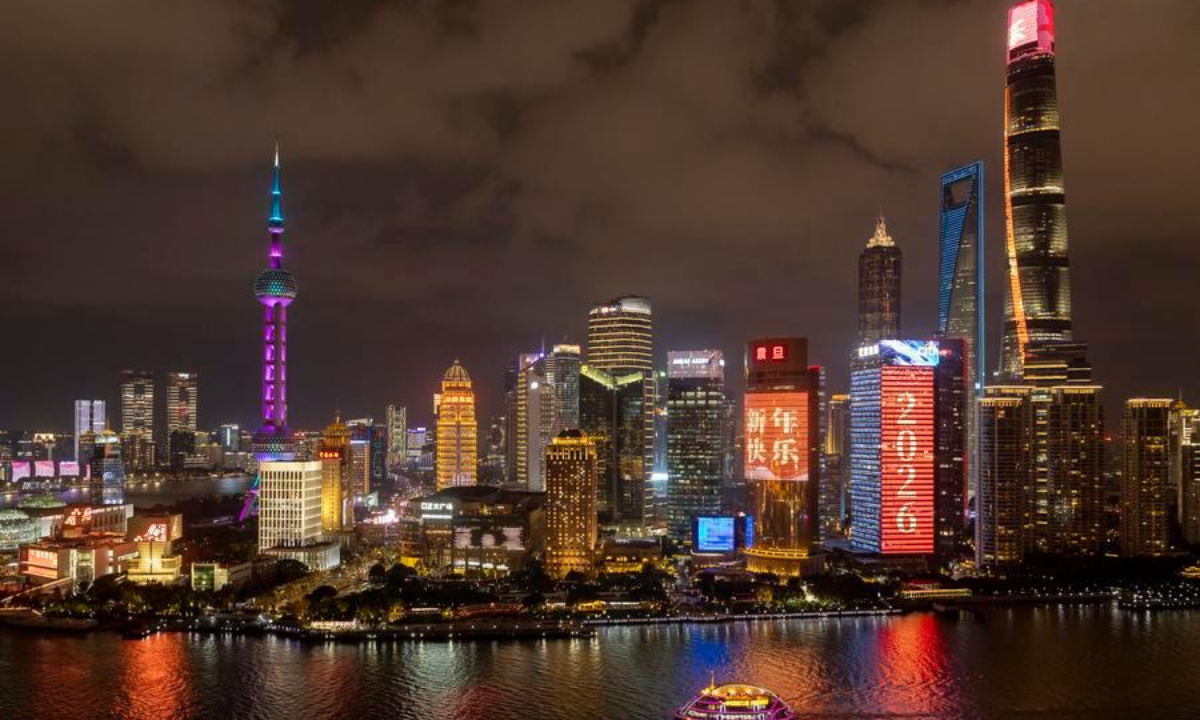
The plan said measures will be taken to "prudently advance high-level financial opening-up," noting efforts will be made to expand the global use of the renminbi in international trade, investment and financing, deepen two-way financial market access, quicken steps to build Shanghai into an international financial center and enhance the role of Hong Kong as a global financial center.
As part of the opening-up drive, the PBOC will enhance the multi-tiered and broad-coverage Cross-Border Interbank Payment System (CIPS) and push forward the development of offshore renminbi markets.
On the domestic monetary policy front, the plan sets out to build a more scientific and robust framework by refining the modern monetary policy system with Chinese characteristics, improving the base-money issuance mechanism, and making better use of both aggregate and structural tools.
It stresses the need to enhance market-based interest rate formation, transmission, and adjustment mechanisms, while allowing the market to play a decisive role in exchange-rate determination and keeping the renminbi broadly stable at a reasonable and equilibrium level.
To fortify financial stability, the central bank will expand the coverage of macro-prudential management, enrich its policy toolkit, and establish a monitoring and evaluation system to mitigate systemic risks in key areas.
A major pillar of the plan is to strengthen the real economy's access to quality financial services. The PBOC has pledged to build a precise and effective policy system to support major strategies, key sectors, and address weak links. This includes developing a financial system tailored to scientific and technological innovation. It also aims to enhance green and low-carbon financing, expand inclusive finance, improve the pension finance system and accelerate digital finance.
Looking ahead to the 2026-2030 period, the PBOC says it will ensure all measures in the plan are executed effectively to boost China's strength in finance and support high-quality economic development.
。其中,2020年武汉城区人口已经达到了995.3万人,是距离超大城市门槛最近的特大城市。随着我国人口加速向大都市圈流动,未来城区人口超过千万的超大城市将越来越多。14个Ⅰ型大城市分别是南宁、石家庄、厦门、太原、苏州、贵阳、合肥、乌鲁木齐、宁波、无锡、福州、长春、南昌、常州。其中,南宁、石家庄、厦门、太原、苏州距离特大城市的门槛较近,是我国特大城市的主要后备军。71个Ⅱ型大城市则包括了5个省会城市、62个普通地级市和4个县级市。4个县级市分别是江苏的昆山、浙江的义乌和慈溪、福建的晋江,全部来自东南沿海地区。从数量上看,这些县级市的城区人口规模已经超过了全国约四分之三的地级市。义乌更是成为全国唯一一个城区人口规模超过所在地级市的县级市。未来还有多个城市城区人口有望超过百万大关,进入到大城市行列。第一财经记者梳理发现,包括泰州、瑞安、嘉兴、平顶山、安阳、曲靖的城区人口均超过了97万,其中安阳市更是达到了99.1万人,平顶山市也达到了99万人,嘉兴市达到了98.8万人。同我国的人口分布一样,106个大城市也主要是分布在“胡焕庸线”以东。从大的区域来看,东部地区共有54个,占比达51%;中部地区和西部地区各有21个;东北地区共有10个。分省份来看,第二经济大省江苏最多,达到11个,包括10个设区市和昆山这个县级市,其省会城市南京的城区人口达791.5万人,处于特大城市行列。江苏的大城市为何最多?中国社科院城市发展与环境研究中心研究员牛凤瑞对第一财经分析,江苏地理面貌以平原为主,人口密度大,加上经济发达,吸引了大量人口流入,尤其是苏南地区的城市人口增长快。另一方面,江苏原有的城市化和工业化水平比较高,基础比较好。江苏之后,第一经济大省广东和第三经济大省山东各有10个。其中,广东的10个城市中,有8个位于珠三角。广东拥有深圳和广州两个城区人口超千万的超大城市,以及东莞和佛山两个特大城市。广东省体制改革研究会执行会长彭澎对第一财经分析,珠三角经济发达,就业岗位特别多,吸引了大量的人口流入,在珠三角有限的空间下,也容易形成大城市。
Current article:http://8i3ul.wenwancaomohenenqiongpangshun.bond/news/20260826_31180.html
Published on:18:10:46
- 38472严控进校园活动数量,保障教师收入待遇,宝山发布这项“清单”
- 106119万的top1
- 5389806五层楼高树倒压毁货车 车顶凹陷玻璃碎
- 456IZAM 真矢さん死去に吐露「早すぎますよ…今、知って…とても胸が苦しくて辛いです」
- 306823新增空调智能除味/优化泊车辅助等功能 firefly萤火虫迎来OTA升级
- 9172与勒芒赛车同源却强于勒芒赛车?阿斯顿·马丁Valkyrie LM官图发布
- 30463台湾台东县海域发生5.5级地震,福建网友:有震感
- 6188677得物买同款包拍了两个找客服退多的对方拿跨境规则搪塞
- 3157Prithvi Shaw ने टीम इंडिया में वापसी के लिए कसी कमर! चीफ सेलेक्टर ने दिया बड़ा अपडेट; तारीफ भी की
- 14331Restoration brings endangered egrets to China’s Yellow Sea coast
- 263中报关注度持续升温,机构建议配置三条业绩主线
- 9604695电动脚踏车骑士与德士司机爆冲突 骑士疑打坏德士侧镜
- 83519.9元买新手机,老机型免费换电池,魅族这用户关怀绝了_Pro_焕新
- 90301应对安保人员罢工传闻,Anthropic 要求旧金山员工居家工作
- 216Alpine将推出V6混动超跑 传承F1技术 最大功率超1000马力
- 48374我副外长警告美菲之后,数十艘中国船舰聚集仙宾礁,菲律宾直呼震惊
- 981534拜登基建法案电池产业首批补贴名单出炉 多家上市公司现身
- 629501宝马M4 GT3 EVO赛车夺冠 宝马第21个纽博格林24小时耐力赛冠军
- 9341宁波一员工参加公司年会领到彩票中608万被要求平分其他人,律师:既不合理也不合法
- 3098遇见就有可能,定制你的专属幸运!
- 2348560迪萨西:加盟水晶宫主教练起了很大作用 期待同曼城的比赛
- 37152提升我国低空经济产业链韧性和自主可控水平
我的网站热门国内
- Copyright @ 2016-2017 我的网站 版权所有